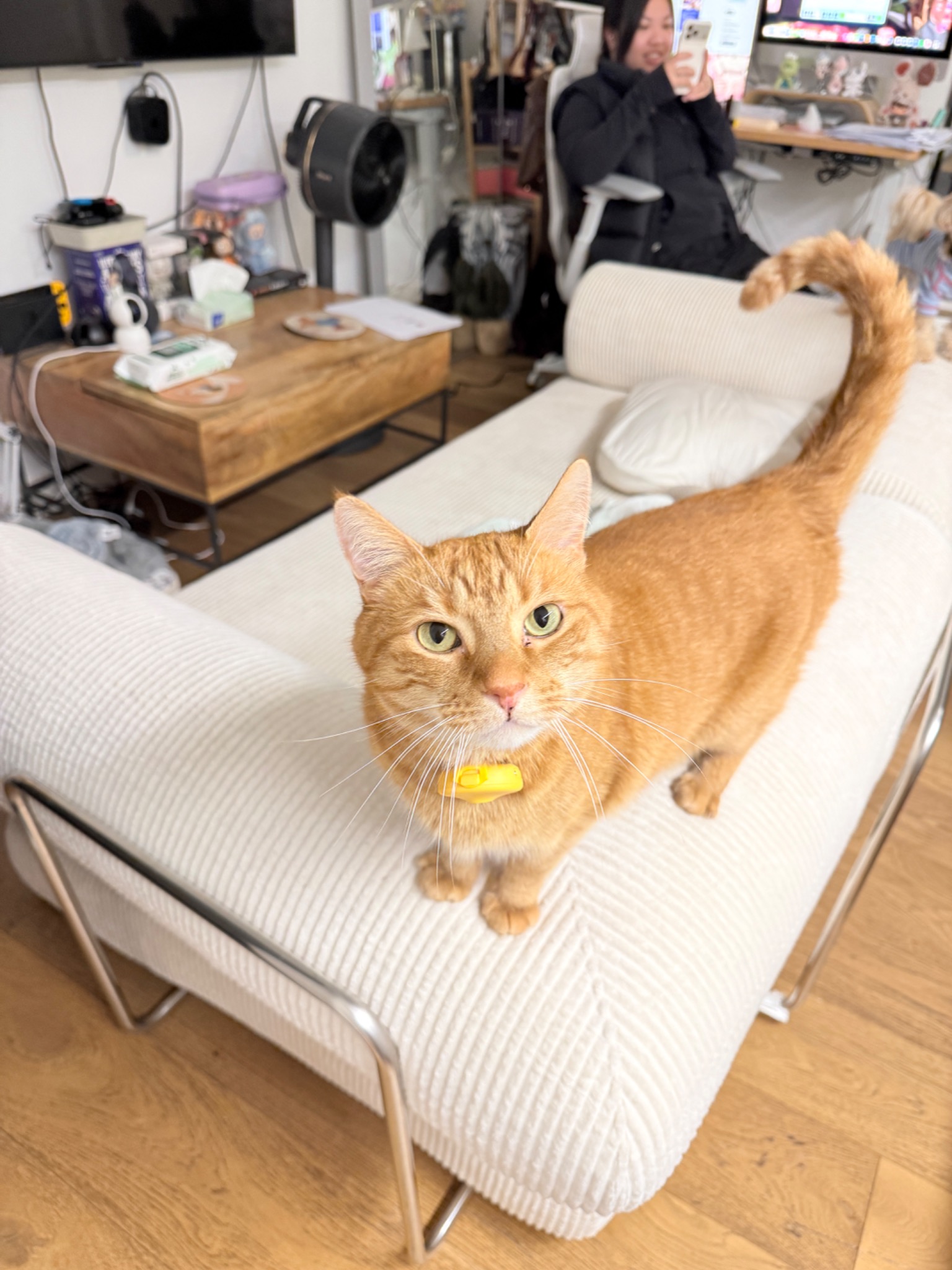
01 · Earlier venture
Meowra
Our first venture started with a pet tracker. I took the lead on much of the customer and stakeholder research, using what we heard to test whether the original problem was strong enough to build around.
Fastrack has been a year of testing ideas in the real world: talking to people, challenging assumptions, building prototypes and changing direction when the evidence told us to.
Fastrack is Monash University’s two-semester entrepreneurship program. In 2026, 24 students were selected from more than 1,000 applicants across Monash. We worked through customer discovery, problem definition, pretotyping, prototyping, pitching and go-to-market planning, with workshops covering areas such as AI prototyping, branding, IP and startup legal fundamentals.
For me, the biggest shift was learning not to protect the first idea. Each round of research, testing and feedback gave us a reason either to keep going or to change course. That process led our team through two very different ventures.
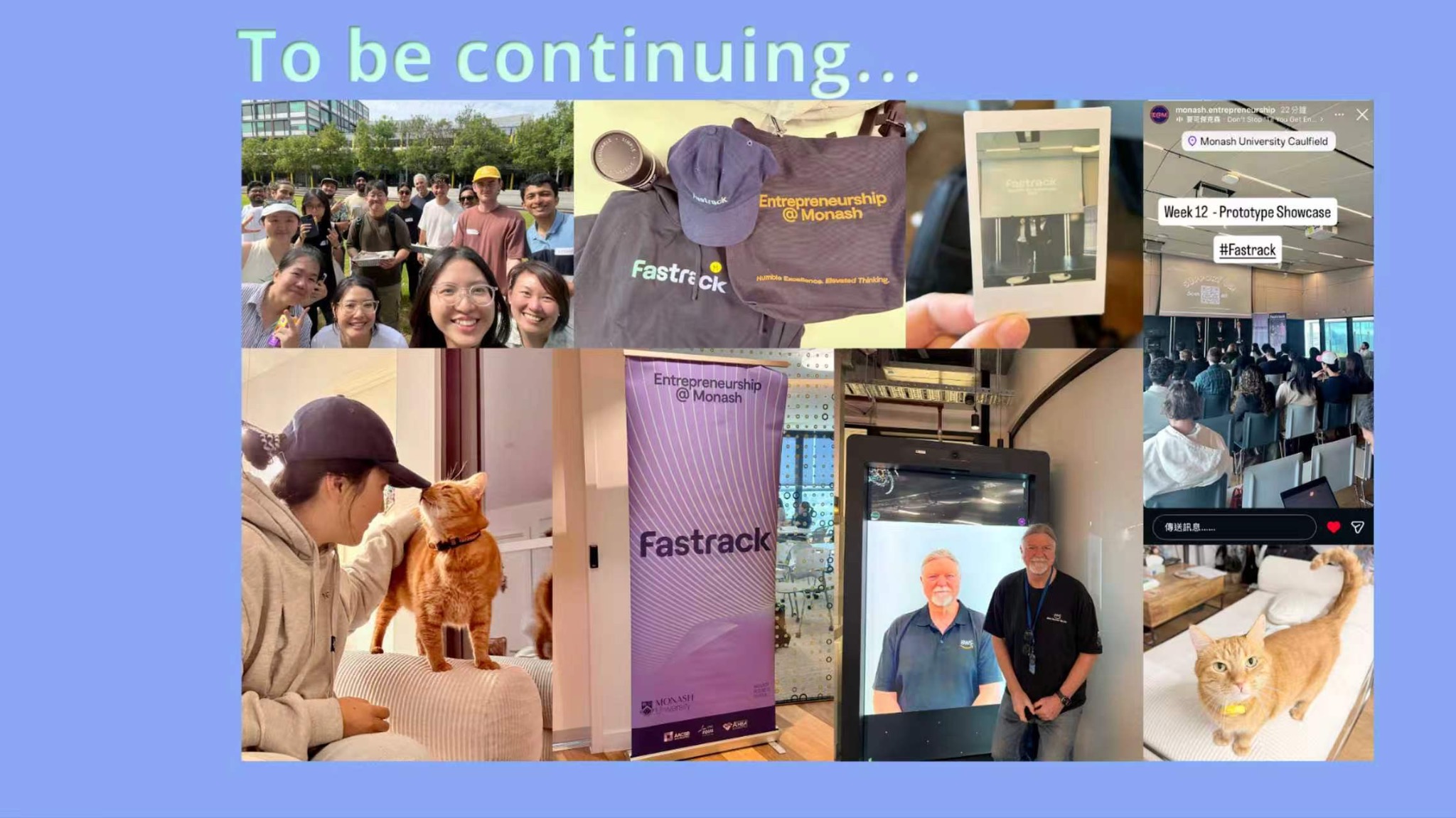
Across the year we moved from customer discovery and problem definition into pretotyping, prototyping and go-to-market work. The workshops added practical tools around AI prototyping, branding, IP, founders’ agreements, startup legal basics and metrics.
The part I used most was the testing rhythm: identify the riskiest assumption, put something in front of real people, collect evidence, then decide what changes. Meowra and Makhana are two different outcomes of that same process.
Our first venture started with a pet tracker. I took the lead on much of the customer and stakeholder research, using what we heard to test whether the original problem was strong enough to build around.
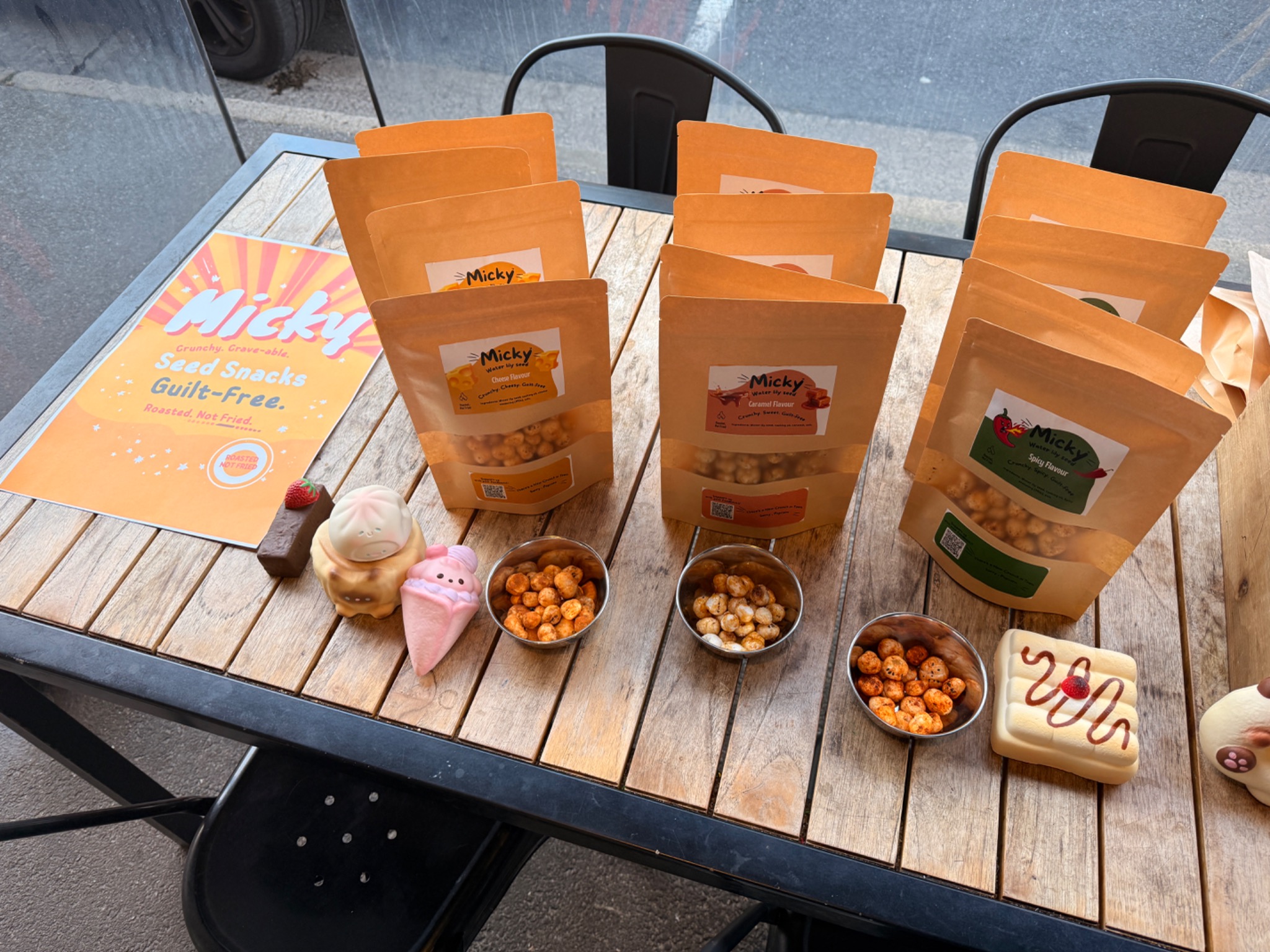
Our second venture explored a Makhana snack. My focus shifted to sales and distribution: identifying routes to market, understanding retailer and distributor requirements, and working out what needed to be in place before the product could be sold.